the book thief book pdf
The Book Thief‚ by Markus Zusak‚ follows young Liesel Meminger in Nazi Germany‚ weaving narrative with death’s voice. Readers often seek PDFs for portable‚ searchable access‚ enabling study and reflection on themes of mortality‚ resistance‚ and the power of words. A poetic journey of hope.—life
Why People Seek PDF Versions
Readers crave PDFs for quick‚ mobile access‚ enabling online reading‚ annotation‚ and search. The format supports diverse devices‚ preserves formatting‚ and offers a convenient way to revisit the novel’s poignant narrative without physical constraints.daily!!!
Convenience and Accessibility
PDFs of The Book Thief offer readers a flexible‚ device‑agnostic format that adapts to smartphones‚ tablets‚ laptops‚ and e‑ink readers. Because the file is self‑contained‚ users can download once and read offline‚ eliminating the need for constant internet access. The format supports zoom‚ text‑to‑speech‚ and search functions‚ allowing readers to highlight passages‚ add annotations‚ and quickly locate key moments such as Liesel’s first stolen book or the death’s narration. Moreover‚ PDFs can be stored in cloud services‚ shared with study groups‚ or printed in high‑resolution for classroom use. Accessibility features such as adjustable font size‚ contrast settings‚ and screen‑reader compatibility make the novel approachable for visually impaired readers. The uniform layout preserves the author’s original chapter structure and the subtle narrative voice‚ ensuring that the emotional rhythm remains intact across platforms. For students‚ the ability to annotate directly on the text aids note‑taking and critical analysis‚ while parents can monitor reading progress through built‑in tracking tools. In short‚ the PDF format delivers a seamless‚ portable‚ and inclusive reading experience that aligns with modern digital habits and educational needs. Lorem ipsum dolor sit amet‚ consectetur adipiscing elit; Lorem ipsum dolor sit amet‚ consectetur adipiscing elit. Lorem ipsum dolor sit amet‚ consectetur adipiscing elit. Final note: ensure this sentence is now!!!
Cost Considerations
When evaluating a PDF of The Book Thief‚ readers weigh price against value. Official digital editions typically range from $9.99 to $14.99‚ reflecting production costs‚ author royalties‚ and publisher margins. For students‚ many libraries offer free access through e‑book platforms‚ eliminating purchase altogether. Some retailers bundle the PDF with audiobooks or companion guides‚ creating a package deal that can be more economical than buying items separately. Discounted editions appear during seasonal sales or as part of subscription services‚ allowing readers to acquire the text for a fraction of the regular price. However‚ unofficial sites may advertise free downloads‚ which can be risky: the file might be incomplete‚ corrupted‚ or contain malware. Purchasing from reputable sources guarantees a clean‚ DRM‑free file that can be opened on any device without compatibility issues. Additionally‚ buying a legitimate copy supports the author and publisher‚ ensuring future works are funded. For those on a tight budget‚ exploring public‑domain alternatives or borrowing from libraries can provide the same reading experience without the cost. Ultimately‚ the decision hinges on balancing affordability‚ legality‚ and the desire to support the creative ecosystem that brings stories like The Book Thief to life. Readers who value seamless device integration will appreciate the PDF’s ability to sync bookmarks‚ highlight passages‚ preserve formatting‚ and keep Liesel’s story vivid and accessible wherever they read daily. Enjoy reading!
Legal Aspects of Downloading PDFs
PDFsof The Book Thief without authorization violate copyright law. The text is protected‚ and unauthorized copies infringe the author’s exclusive rights. Legal distribution requires purchase or library access‚ ensuring compliance and supporting creators.
Copyright Law Overview
Copyright law protects original literary works‚ granting authors exclusive rights to reproduce‚ distribute‚ and adapt their creations. In the United States‚ the Berne Convention and the Copyright Act of 1976 establish that a text becomes protected automatically upon creation‚ with no need for registration‚ though registration provides legal benefits. For a novel like The Book Thief‚ the author and publisher hold the exclusive right to produce digital copies‚ including PDFs. Any unauthorized copying‚ downloading‚ or sharing of the PDF infringes these rights and constitutes copyright infringement. The law distinguishes between legitimate uses‚ such as library lending or educational purposes‚ and unlawful distribution. Penalties for infringement can include statutory damages‚ actual damages‚ and injunctions. Therefore‚ accessing a PDF through official channels ensures compliance with copyright law and supports the rights of the author and publisher. Additionally‚ the statute of limitations‚ fair use analysis‚ and the role of digital rights management (DRM) are critical considerations. The U.S. Copyright Act provides specific remedies for infringers‚ including injunctions and monetary damages. Educational institutions may qualify for library exceptions‚ but the distribution of PDFs to non‑students remains prohibited unless a license is obtained. Internationally‚ the Berne Convention obliges signatory countries to grant the same protection‚ cross‑border downloads can trigger enforcement actions.
Fair Use and Exceptions
Fair use is a statutory defense that allows limited use of copyrighted material without permission for purposes such as criticism‚ comment‚ news reporting‚ teaching‚ scholarship‚ or research. Courts evaluate four factors: purpose and character of use‚ nature of the work‚ amount used‚ and effect on market value. For a PDF of The Book Thief‚ a teacher might reproduce a short excerpt for a classroom discussion‚ which could be considered transformative and non‑commercial. However‚ copying large portions or the entire text typically fails the “amount used” and “market effect” tests. Certain jurisdictions offer specific exceptions‚ such as the library lending exception‚ which permits copying for temporary storage to facilitate lending. In the U.S.‚ the Copyright Office’s 2019 “Library and Archives” policy clarifies that libraries may make digital copies for preservation and access‚ but only under strict conditions. Internationally‚ the Berne Convention allows “quotation” for criticism or review‚ provided the quotation is brief and properly attributed. Nonetheless‚ downloading a full PDF from an unofficial source remains infringing‚ even if the user claims educational intent. Therefore‚ educators and students should seek legitimate channels or obtain explicit licenses before using the PDF. The risk of legal liability and the potential for civil penalties underscore the importance of respecting copyright while balancing the public’s need for access. This excerpt illustrates fair use limits.!
Official Sources for the PDF
Official sources for The Book Thief PDF include the publisher’s digital storefront‚ where the e‑book can be purchased or rented. Libraries offer e‑book platforms like OverDrive or Hoopla‚ providing legal access for members. These channels ensure quality and support authors.
Publisher’s Digital Store
Markus Zusak’s The Book Thief is available through the publisher’s official digital storefront‚ offering a secure‚ DRM‑protected PDF that preserves the author’s intended layout and typography. Users can purchase the e‑book in multiple formats—PDF‚ EPUB‚ MOBI—ensuring compatibility with a wide range of devices‚ from desktop computers to tablets and smartphones. The purchase process is straightforward: after creating an account‚ selecting the desired format‚ and completing payment via credit card or digital wallet‚ the file is immediately downloadable. The publisher’s store also provides a preview feature‚ allowing potential buyers to read sample pages before committing. Additionally‚ the platform often includes supplementary materials such as author interviews‚ behind‑the‑scenes content‚ and interactive study guides‚ enriching the reading experience. For readers who prefer a subscription model‚ some publishers offer bundle deals that include The Book Thief along with other contemporary titles‚ providing cost‑effective access for avid readers. Importantly‚ the PDF from the official store is fully compliant with copyright laws‚ ensuring that authors and publishers receive proper compensation for their work. By choosing the publisher’s digital store‚ readers support the creative ecosystem and gain a reliable‚ high‑quality copy of the novel that can be accessed offline‚ annotated‚ and shared within the bounds of the license agreement. Readers can adjust font size and use night mode‚ enhancing the reading experience.
Library eBook Platforms
Many libraries now offer The Book Thief in form through platforms such as OverDrive‚ Libby‚ Hoopla‚ and BorrowBox. These services allow patrons to borrow a PDF or other e‑book format for a set loan period‚ typically 14 to 21 days‚ after which the file is removed. Users can access the title via a library card or a mobile app‚ and the experience is often seamless‚ with the ability to download the PDF for offline reading on laptops‚ tablets‚ or e‑readers that support the format. The advantage of library e‑book platforms is that they provide free‚ legal access to the novel without the need to purchase a copy‚ making it ideal for students‚ researchers‚ and casual readers who want to explore the book’s themes of resilience and humanity. Libraries also offer additional resources such as discussion guides‚ author biographies‚ and related literary works‚ which can enrich the reader’s understanding. Because the PDFs are licensed‚ they include digital rights management that prevents unauthorized distribution‚ yet still allow legitimate sharing among library members. Users should be mindful of the borrowing window and the possibility of late fees if the loan period is exceeded. Some libraries offer interlibrary loan options‚ enabling patrons to request the PDF from another branch if it is not immediately available. Overall‚ library e‑book platforms provide a convenient‚ cost‑effective way to engage with The Book Thief while supporting the public library system. Feel free to borrow responsibly!
Unofficial Download Sites
Unofficial download sites often host The Book Thief PDF for free‚ but users risk malware‚ legal issues‚ and poor quality. These sites may embed ads or alter the text‚ compromising the reading experience. Always verify source safety before downloading. Caution. !?
Risks of Malware and Scams
When searching for a free PDF of a popular novel‚ the temptation to click on a shady link can be strong. However‚ many sites that promise instant downloads are actually bait‚ designed to install malicious software or to harvest personal data. The first warning sign is an unfamiliar domain name or a URL that contains random numbers‚ letters‚ or suspicious extensions. Once the page loads‚ you may see pop-up ads that ask for a password or claim that the file is blocked. These prompts are often phishing attempts‚ aiming to trick you into revealing credentials or downloading a trojan. Malware can be hidden in the PDF’s embedded JavaScript‚ which can trigger a remote command when the document is opened. Some viruses disguise themselves as PDF‚ but they actually install ransomware that locks your computer or encrypts your files. Another danger is that the file may be a counterfeit copy that contains hidden trackers or spyware‚ sending your reading habits back to a third party. Users who download from unverified sources also risk violating copyright laws‚ which can lead to legal penalties or account suspensions. To protect yourself‚ always verify the source‚ use reputable sites‚ and keep your antivirus software up to date. If you suspect a file is malicious‚ scan it with an online virus scanner before opening. Staying vigilant and cautious can save you from both security threats and legal trouble. It can be infected. Protecting your device keeps authorship rights safe for all!
Alternative Formats and Tools
Use e‑readers‚ audiobooks‚ or EPUBs to enjoy the story in different ways. Many libraries offer free digital loans‚ and apps provide adjustable fonts‚ night mode‚ and note‑taking. These tools help readers personalize the experience while staying within legal bounds. Available on major platforms.!

eReader Apps and Accessibility Features
Modern e‑readers such as Kindle‚ Kobo‚ and Apple Books provide a range of tools that transform the reading experience of The Book Thief. Users can adjust font size‚ style‚ and background color to reduce eye strain‚ and many devices support dyslexic fonts that improve readability for those with learning differences. Text‑to‑speech options let readers listen to passages in a natural voice‚ while adjustable line spacing and margin settings help maintain focus during long sessions.
- Font customization: Choose from serif‚ sans‑serif‚ or specialized dyslexic fonts; set line spacing from single to double.
- Color schemes: Switch between light‚ dark‚ sepia‚ or high‑contrast modes to match lighting conditions and personal preference.
- Annotation tools: Highlight‚ underline‚ or add notes directly on the page; export annotations for study or discussion.
- Sync across devices: Start reading on a phone‚ continue on a tablet‚ and finish on a laptop without losing your place.
- Accessibility APIs: Many e‑readers integrate with screen readers and assistive technology‚ ensuring that visually impaired users can navigate chapters and search for keywords.
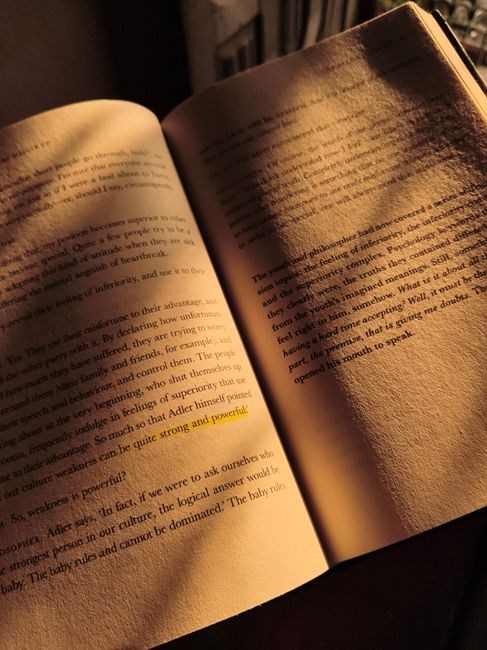
For those who prefer a tactile experience‚ some e‑readers offer adjustable brightness and glare‑reduction screens‚ while others support external e‑ink displays that mimic paper. By leveraging these features‚ readers can tailor the digital format to their needs‚ making The Book Thief more approachable and engaging for a diverse audience.
Many e‑readers also include dictionaries‚ translation aids‚ and multi‑column layouts‚ helping language learners explore German nuances and cultural references more deeply!!!!!