
vagabond shoes size guide
Vagabond Shoes Size Guide: A Comprehensive Overview (Updated 03/04/2026)
Boots demand investment; physical stores are crucial for fit assessment due to brand variations.
Vagabond often requires downsizing, offering stylish city boots, enhanced with insoles for lasting comfort and support.
Understanding Vagabond Shoe Fit
Navigating Vagabond shoe fit requires acknowledging their unique characteristics. Unlike some brands offering universally consistent sizing, Vagabond often necessitates a personalized approach, frequently involving downsizing by a full size. This isn’t a rigid rule, but a common recommendation stemming from user experiences. The brand prioritizes a fashionable aesthetic, often leaning towards a slimmer profile, which contributes to this tendency.
However, individual foot shapes and specific styles significantly influence the ideal fit. Trying on boots in a physical store, walking around to assess comfort, is paramount. Comparing Vagabond’s fit to other brands you’ve successfully worn provides valuable context. Remember, a comfortable fit isn’t solely about length; width and arch support play crucial roles. Considering these nuances ensures a satisfying Vagabond experience.

General Sizing Considerations
When considering Vagabond sizing, remember that consistency isn’t guaranteed across all styles. While downsizing by one size is frequently advised, it’s not a universal truth. Factors like foot width, arch height, and personal preference heavily influence the optimal fit. Prioritize visiting a retailer offering multiple brands to establish a baseline understanding of your size in different constructions.
Outlet shopping can present opportunities, but ensure you can thoroughly try on shoes before purchasing. Don’t solely rely on converting between US and EU sizes, as variations exist. Focus on how the shoe feels – tightness, rubbing, or slippage are indicators of an incorrect size. Investing in quality insoles can further refine the fit and enhance long-term comfort, especially for extended wear.
Vagabond Sizing Compared to Standard US/EU Sizes
Navigating Vagabond’s sizing requires acknowledging it doesn’t perfectly align with standard US or EU conversions. Many users report Vagabond shoes tend to run slightly larger, prompting the common recommendation to size down. However, this isn’t a rigid rule; individual styles and foot shapes play significant roles. A US size 8, for example, might correspond to a EU 39, but a Vagabond size 39 could feel more akin to a US 7.5 for some.
Direct conversions should be treated as starting points, not definitive guides. Always prioritize trying on shoes whenever possible. Online retailers often provide size charts, but these are approximations. Consider the specific shoe style – loafers like the Cosmo 2.0 may fit differently than boots like the Dioon. Remember, a comfortable fit trumps relying solely on numerical size designations.
The Importance of Trying On
Prioritizing an in-store fitting is paramount when selecting Vagabond shoes, as their fit can be subtly different across brands. Foot shapes vary considerably, making a physical trial the most reliable assessment method. Walking around in the shoes allows you to gauge comfort and identify potential pressure points. Don’t rush the process; spend time evaluating how the shoe feels with your typical socks.
If purchasing from a retailer with multiple brands, leverage the opportunity to compare Vagabond’s fit against others like Columbia, Sam Edelman, or Vince Camuto. This comparative approach clarifies whether Vagabond’s sizing aligns with your foot. Remember, even within Vagabond’s range, styles like boots and loafers will feel distinct. A proper fit ensures long-term comfort and prevents costly returns.
Finding a Retailer with Multiple Brands
Seeking a retailer that stocks diverse brands is a strategic move when determining your Vagabond size. Large camping or outdoor stores often carry a wide selection, enabling direct comparison with brands like Columbia. This allows you to establish a baseline fit – identifying a brand that consistently suits your foot shape. Once you’ve pinpointed a comfortable fit from another manufacturer, you can more accurately translate that knowledge to Vagabond’s sizing.
This approach is particularly valuable given Vagabond’s tendency for a slightly narrower fit. Comparing against brands you know well minimizes guesswork. After identifying your ideal Vagabond size at a multi-brand retailer, consider exploring outlet malls for potential discounts. This combines informed sizing with cost savings, maximizing your investment in quality footwear.
Outlet Shopping for Vagabond Shoes
Outlet malls present a compelling opportunity to acquire Vagabond shoes at reduced prices, but require a prepared approach. Knowing your precise size – ideally determined after trying on Vagabond shoes alongside comparable brands in a full-price store – is paramount. Outlet stock can be variable, with limited size availability, so patience and flexibility are key.
Remember Vagabond’s reputation for requiring a downsize; confirm this fits your foot before committing. While outlet shopping offers savings, prioritize fit over price. A discounted shoe that doesn’t fit comfortably is a poor investment. Be mindful that Vagabond shoes, while stylish and well-made, aren’t designed for heavy-duty work, so consider intended use.

Specific Vagabond Shoe Styles & Sizing
Vagabond’s diverse styles – boots, Cosmo 2.0 loafers, Dioon platforms, Frances loafers, and Hedda ankle boots – each present unique fitting considerations for optimal comfort.
Vagabond Boots: A Detailed Look
When investing in Vagabond boots, a meticulous approach to sizing is paramount. Unlike work boots designed for rugged durability, Vagabond focuses on fashionable, professional aesthetics suitable for urban environments. However, this doesn’t diminish the need for a secure and comfortable fit, especially considering the price point.
The consensus leans towards consistently downsizing by a full size when selecting Vagabond boots. This recommendation stems from observations regarding their overall fit and construction. It’s crucial to remember that individual foot shapes vary, so this isn’t a universal rule, but a strong starting point.
Prioritize trying boots on in a physical store, walking around to assess the feel. Comparing Vagabond’s fit to other brands you’ve successfully worn can provide valuable insight. While Vagabond offers quality, remember they aren’t built for heavy-duty wear and may require more frequent upkeep or eventual replacement compared to more robust work boots.
Downsizing with Vagabond: Common Recommendation
A prevalent suggestion among Vagabond wearers is to consistently size down by one full size when purchasing their boots and shoes. This isn’t a rigid rule, but a widely reported experience, stemming from the brand’s particular last and construction methods. It’s a crucial starting point, especially when ordering online where trying on isn’t possible.
However, individual foot shapes and preferences play a significant role. Factors like foot width, arch height, and sock thickness can influence the ideal fit. While downsizing often resolves issues with looseness, it’s vital to avoid creating a fit that’s too constricting.
If you’re between sizes, consider ordering both and returning the less suitable option. Prioritize comfort; a slightly snug fit is preferable to one that causes blisters or discomfort during extended wear. Remember Vagabond boots aren’t work boots, so prioritizing all-day comfort is key.
Vagabond Cosmo 2.0 Loafers: Size Specifics
The Vagabond Cosmo 2.0 platform loafers, available in stylish options like black, often present unique sizing considerations. Many customers report these loafers run true to size, however, the platform sole can subtly alter the perceived fit. It’s advisable to consult the specific size chart provided by the retailer, as variations can occur.
Given the loafer style, a snug fit is generally preferred to prevent slippage. If you’re between sizes, leaning towards the smaller size is often recommended, particularly if you have narrower feet. Consider wearing the socks you intend to pair with the loafers when trying them on, or measuring your feet accordingly.
These loafers prioritize fashion, so comfort enhancements like gel insoles can significantly improve wearability for extended periods. Remember, these aren’t designed for heavy-duty use.
Vagabond Dioon Boots: Platform & Fit
Vagabond Dioon boots, characterized by their distinctive platform and Chelsea ankle boot style, require careful attention to sizing. The platform sole significantly impacts the overall fit, potentially making the boots feel slightly larger than expected. Many users suggest considering a half-size down to compensate for the added height and maintain a secure, comfortable fit.
These boots, crafted from genuine leather, offer a fashionable and professional aesthetic suitable for city wear. However, the leather will conform to your foot over time, so avoid an overly tight initial fit. Prioritize comfort by exploring gel-like insoles with arch support for prolonged wearability.
Remember, the Dioon boots aren’t work boots; they’re designed for style and moderate use. Regular leather care is essential to preserve their quality and lifespan.
Vagabond Frances Loafers: Sizing Nuances
Vagabond Frances loafers, a popular choice for their stylish design, present unique sizing considerations. These loafers, available in various sizes like EU 39 (US 8-8.5), often require a precise fit to avoid discomfort or slippage. Due to the loafer’s construction, a snug yet comfortable fit is paramount; excessive room can lead to heel lift and reduced control.
While Vagabond generally encourages downsizing, the Frances loafer may not necessitate it for all foot types. It’s crucial to consider your individual foot shape and sock preference; Trying them on with your intended sock thickness is highly recommended.
These loafers are best suited for fashionable, professional settings, not heavy-duty activities. Prioritize comfort with supportive insoles if planning extended wear.
Vagabond Hedda Ankle Boots: Leather & Fit
Vagabond Hedda ankle boots, crafted in chocolate leather, offer a blend of style and quality, but achieving the perfect fit requires attention. Leather, while durable and aesthetically pleasing, can initially feel firm and may require a break-in period to mold to your foot’s unique contours. Considering Vagabond’s general sizing tendencies, a potential downsize by half a size or a full size is often recommended, but individual foot shape is key.
The Hedda’s construction and leather composition influence the overall fit. Ensure sufficient toe box space to prevent cramping during extended wear. Utilizing gel-like insoles with arch support can significantly enhance comfort, especially for prolonged standing or walking.
Remember, these are fashionable city boots, not work boots, and require proper care to maximize their lifespan.
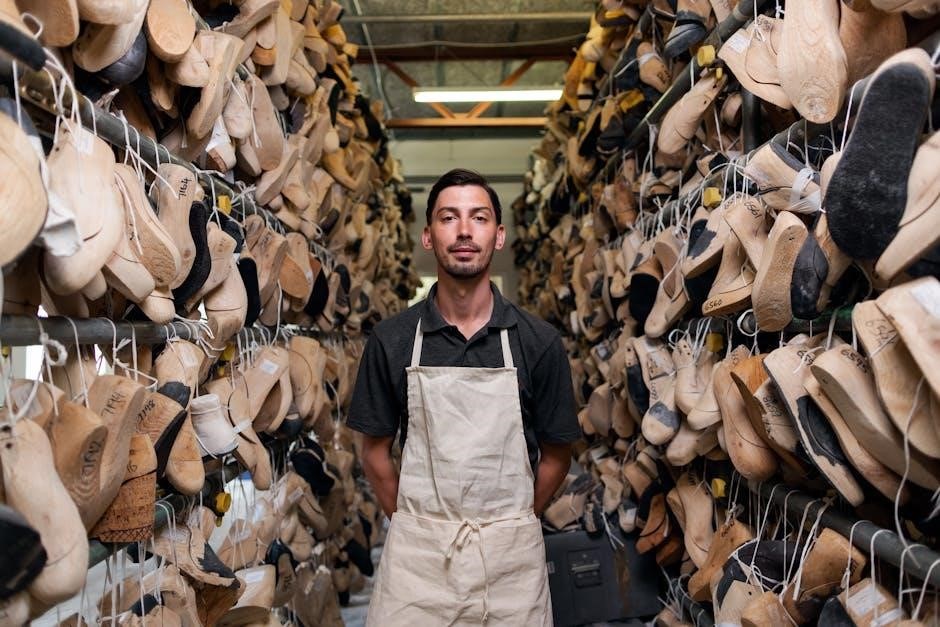
Comfort & Support Enhancements
Enhance Vagabond’s style with gel-like insoles and arch support for all-day comfort. These additions transform fashionable boots into supportive companions for extended wear.
Using Insoles for Improved Comfort
Vagabond shoes, while stylish and well-made, sometimes benefit from the addition of insoles to maximize comfort, particularly for those planning extended periods on their feet. Considering the recommendation to downsize with Vagabond, adding an insole can help recapture some lost volume and ensure a snug, yet comfortable, fit.
Gel-based insoles are particularly effective, providing cushioning and shock absorption that can significantly reduce foot fatigue. Look for insoles with arch support, as this feature addresses a common comfort issue and promotes proper foot alignment. The type of insole you choose should also consider the specific Vagabond style; a more structured insole might be preferable for boots, while a thinner, more flexible insole could work well with loafers.
Experimenting with different insole types is key to finding the perfect fit for your individual foot and the specific Vagabond shoe. Don’t hesitate to try several options before settling on the one that provides the optimal balance of comfort and support, allowing you to enjoy your Vagabond shoes for days on end.
Arch Support Considerations

Proper arch support is paramount when maximizing comfort in Vagabond shoes, especially given the potential need for downsizing and the desire for all-day wearability. Many individuals find that the factory insoles in Vagabond shoes, while adequate, don’t provide sufficient support for prolonged activity. Addressing this can dramatically improve the overall experience.
Consider your arch type – high, neutral, or flat – when selecting an insole. High arches typically require more cushioning, while flat arches benefit from firmer support to prevent overpronation. Neutral arches generally do well with a balanced insole offering both cushioning and support.
Look for insoles specifically designed to enhance arch support, featuring contoured shapes and supportive materials. Integrating these can transform Vagabond shoes into comfortable companions for extended walking or standing. Prioritizing arch support isn’t just about comfort; it’s about promoting foot health and preventing potential strain or discomfort.
Long-Term Comfort Strategies
Maintaining Vagabond shoe comfort extends beyond initial sizing and insole selection; it requires proactive care and adaptation. Regularly assess how your feet feel after wearing your Vagabond shoes for extended periods. Pay attention to any pressure points or areas of discomfort that develop over time.
Consider a professional shoe stretching service to address any areas where the shoe feels too tight, particularly after downsizing. Break-in periods are common with leather shoes, but targeted stretching can accelerate the process and prevent blisters.
Alternate between different pairs of Vagabond shoes to allow each pair to fully air out and recover its shape. This prevents moisture buildup and reduces stress on the materials. Consistent leather conditioning will maintain suppleness and prevent cracking, contributing to long-term comfort and extending the lifespan of your investment.
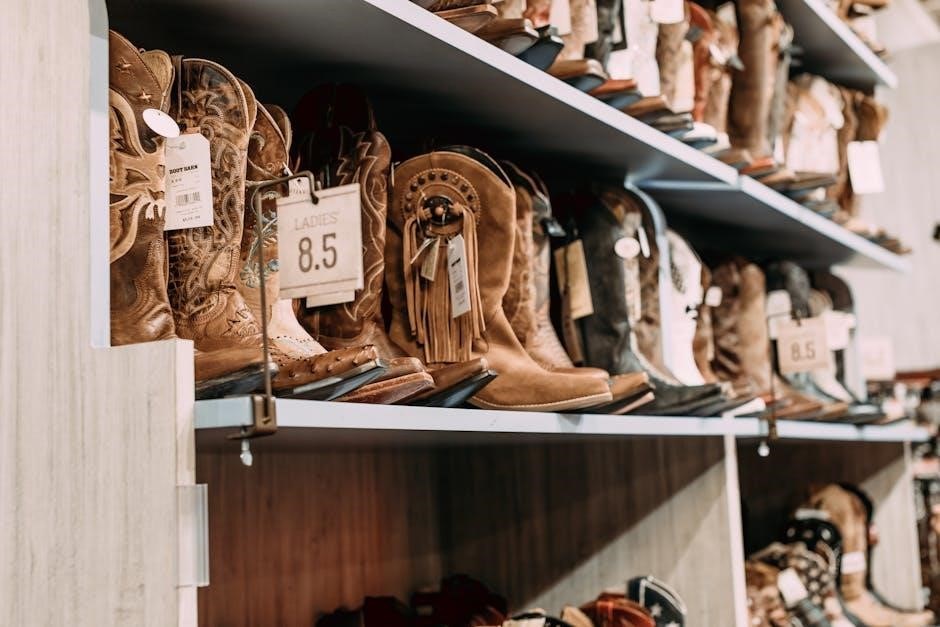
Material & Durability
Vagabond’s quality is notable, yet they aren’t work boots; prioritize care for fashionable, professional city use, and consider gel insoles for extended wear.
Vagabond Shoe Quality Assessment
Assessing Vagabond’s quality reveals a sweet spot between style and construction, leaning towards fashionable footwear rather than rugged durability. While the brand delivers a noticeably nice quality, it’s crucial to understand these aren’t designed for demanding work environments or heavy-duty use. Expect a sophisticated aesthetic and comfortable wear for urban settings, but acknowledge limitations regarding longevity under harsh conditions.
The materials used contribute to a refined look, but won’t withstand the same level of abuse as dedicated work boots. Regular leather care and maintenance are essential to maximize the lifespan of your Vagabond shoes; Consider them an investment in style, requiring mindful upkeep to enjoy for years, rather than a robust, all-terrain option built to last a lifetime with minimal attention.
Vagabond Shoes: Not Work Boots
It’s essential to clarify: Vagabond shoes are not work boots. Their design prioritizes fashionable aesthetics and professional appearance for city use, not enduring harsh conditions or demanding physical labor. While the quality is commendable within its category, expecting work-boot level durability is unrealistic. These shoes excel in providing stylish, comfortable footwear for urban environments, but lack the robust construction needed for rigorous tasks.
Attempting to use Vagabond shoes as work boots will significantly shorten their lifespan. The materials, while genuine leather, aren’t engineered to withstand constant abrasion or heavy impacts. They are best suited for occasions where style and comfort are paramount, and heavy-duty performance isn’t required. Prioritize appropriate footwear for any task demanding substantial protection and resilience.
Leather Care & Maintenance
Maintaining Vagabond’s leather quality is crucial for longevity. Regular cleaning with a leather-specific cleaner removes dirt and prevents cracking. Conditioning the leather every few months replenishes natural oils, keeping it supple and preventing dryness. Avoid prolonged exposure to water and harsh chemicals, as these can damage the material.
For extended lifespan, consider professional care. A cobbler can replace worn heels with rubber for improved grip and durability, and repair zippers or stitching. Investing in these services protects your investment and ensures continued comfort. Proper storage is also key; use shoe trees to maintain shape and store in a cool, dry place away from direct sunlight. Consistent care will maximize the enjoyment and lifespan of your Vagabond shoes.
Expected Lifespan of Vagabond Shoes
Vagabond shoes offer a balance of style and quality, but aren’t designed for heavy-duty work. While the quality is “quite nice,” they aren’t comparable to robust work boots. Expect a lifespan of a couple of years with “light wear” for certain styles, particularly those prioritizing fashion over extreme durability.
However, with diligent care – regular cleaning, conditioning, and professional repairs like heel replacement and zipper fixes – you can significantly extend their life. Styles like Vince Camuto riding boots, with proper upkeep, can last over five years. Ultimately, lifespan depends on usage frequency, care routine, and the specific model. Prioritizing maintenance will maximize your enjoyment and value.
Comparing Vagabond to Other Brands
Vagabond competes with Columbia, Sam Edelman, and Vince Camuto. Columbia suits rugged needs, while Vagabond excels in fashionable city styles, and Vince Camuto offers durability.
Vagabond vs. Columbia
Comparing Vagabond and Columbia reveals distinct focuses. Columbia prioritizes robust, outdoor-ready footwear designed for demanding conditions and heavy use, often emphasizing practicality and durability above all else. They are built to withstand rigorous activity. Vagabond, conversely, leans towards fashionable, professional-looking boots ideal for urban environments.
While Columbia excels in functionality – think hiking trails and challenging weather – Vagabond shines in aesthetics and style. The user noted that a preference for Columbia is irrelevant without trying on boots from various brands. Vagabond’s quality is “quite nice,” but they aren’t work boots; they’re better suited for city wear.
Essentially, Columbia is about conquering the elements, while Vagabond is about conquering the city streets with style. Choosing between them depends entirely on your intended use and personal priorities. One isn’t inherently “better,” just different.

Vagabond vs. Sam Edelman
Contrasting Vagabond and Sam Edelman highlights differing value propositions. Sam Edelman frequently receives positive customer experiences, suggesting a reliable brand with generally satisfactory quality and fit. However, Vagabond aims for a slightly elevated aesthetic and construction, targeting consumers seeking a blend of style and durability within a specific price range.
The user’s experience indicates positive interactions with Sam Edelman footwear, implying consistent performance. Vagabond, while offering good quality, isn’t positioned as a heavy-duty work boot alternative. It’s geared towards fashionable, professional boots for city use.
Ultimately, the choice hinges on individual preferences and budget. Sam Edelman provides a dependable option, while Vagabond offers a distinct style and potentially longer lifespan with proper care, though not comparable to true work boots. Both brands cater to different needs and expectations.
Vagabond vs. Vince Camuto
Comparing Vagabond and Vince Camuto reveals differing strengths in longevity and style. The user’s experience showcases a pair of Vince Camuto riding boots maintained for over five years with consistent upkeep, demonstrating impressive durability. This suggests Vince Camuto excels in creating footwear that withstands extended wear, even requiring occasional repairs like zipper and heel replacements.
Vagabond, while praised for its fashionable designs and quality within its price point, isn’t positioned as a long-lasting workhorse. It’s better suited for city environments and requires diligent care to maximize its lifespan.
Therefore, if long-term durability is paramount, Vince Camuto appears to be a stronger contender, particularly with proactive maintenance. Vagabond prioritizes contemporary aesthetics and a balance between style and quality, offering a different value proposition.

Additional Sizing Tips
Consider foot width and type; professional fittings are invaluable. Insoles can customize comfort, addressing arch support needs for a personalized, optimal Vagabond fit.
Width Considerations

Vagabond shoes generally cater to an average width foot, but individual styles can vary significantly. If you typically require wider or narrower footwear, paying close attention to this aspect is crucial when selecting a pair. Unfortunately, Vagabond doesn’t consistently offer multiple width options across their entire range, making a careful assessment even more important.
Customers with wider feet might find certain Vagabond boots and loafers feel constricting, particularly in the toe box. In such cases, considering going up half a size and looking for styles with a more rounded or square toe shape can provide relief. Conversely, those with narrower feet may benefit from using thicker socks or employing tongue pads to achieve a snugger, more secure fit.
Reading reviews from other customers with similar foot shapes can offer valuable insights into how specific Vagabond models tend to fit in terms of width. Remember, a comfortable fit isn’t just about length; it’s about the overall volume and how well the shoe accommodates the unique contours of your foot.
Sizing for Different Foot Types
Understanding your foot type is paramount when navigating Vagabond’s sizing. Those with high arches may find some styles, particularly loafers, require additional arch support via insoles for optimal comfort during extended wear. Individuals with flat feet might benefit from styles offering more inherent stability and cushioning.
If you have a prominent heel, consider Vagabond boots with a deeper heel cup to prevent slippage. Conversely, if your heel is narrow, look for styles that offer adjustable features like laces or buckles to secure your foot. A wider forefoot often necessitates going up a half size, especially in pointed-toe designs.
Ultimately, a professional shoe fitting is invaluable. Experts can analyze your gait and foot shape, recommending specific Vagabond styles and suggesting modifications – like insoles – to ensure a personalized and comfortable fit. Don’t hesitate to seek this guidance!
Professional Shoe Fitting Advice
Seeking expert guidance is highly recommended when investing in Vagabond shoes, especially considering their tendency to run slightly smaller. A professional fitting assesses not just length, but also width, arch height, and overall foot volume – factors crucial for long-term comfort.
A skilled fitter will observe your gait, identifying pronation or supination patterns that influence shoe wear and support needs. They can recommend specific Vagabond styles best suited to your foot mechanics and activity level. Don’t rely solely on your usual size; variations exist between brands and even within Vagabond’s range.
Bring socks similar to those you’ll wear with the shoes. Discuss any existing foot conditions or concerns. A proper fitting minimizes the risk of blisters, discomfort, and premature wear, maximizing your investment and enjoyment of Vagabond’s quality footwear.